

Reading
Statement of Intent
Reading is at the centre of Horfield Primary School’s curriculum and we work hard to engender a passion for reading in each child. Our aim is to ensure that everyone becomes primary literate so that they master the core skills of reading, writing, speaking and listening. We believe that without this strong foundation, children will be unable to reach their full potential in later life, so it is our priority that every child should leave Horfield with both a good level of literacy and a life-long love for reading and literature in its many forms.
Implementation
Reading at Horfield is embedded within our lessons and we strive for a high level of reading for all. Through providing high-quality texts, immersing children in vocabulary-rich learning environments and ensuring new curriculum expectations and the progression of skills are met, our children are exposed to a language-heavy, creative and continuous English curriculum where reading and writing are intrinsically linked. This allows Horfield children to become primary literate, so they have acquired core foundational skills, while developing a love of reading, creative writing and purposeful speaking and listening. It is our intention that our reading curriculum takes account of life in modern Britain and builds cultural capital by ensuring a range of cultures and experiences are represented in both what our children read independently and what we share with them.
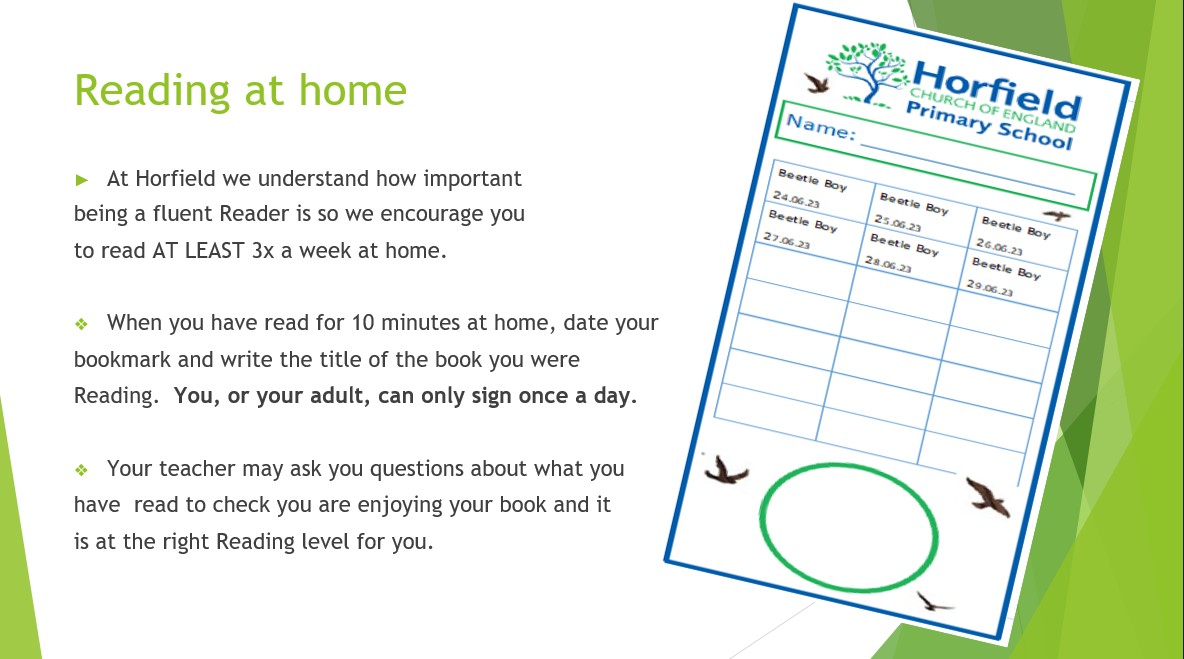
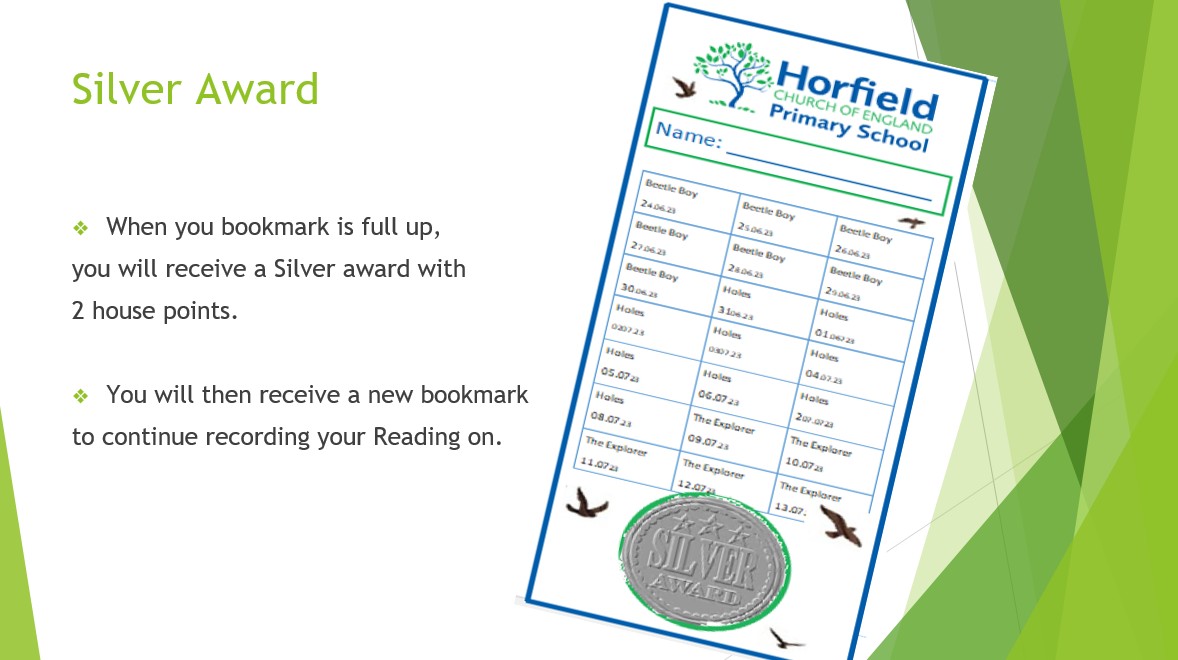
We make sure that all children have access to high-quality books whatever their stage in the school. Staff are knowledgeable about appropriate literature and recommend books to our children who record their reading on a special bookmark or in their reading record. Three dates equates to a raffle ticket and at the end of each half term, tickets are drawn with each winner receiving a brand new book to enjoy at home. Through our yearly Horfield Book Award, we are able to share a range of books across all year groups so children have shared experiences of both fiction and non-fiction books to talk about.
Recently we introduced ‘Unlocking Letters & Sounds’ as our Department For Education validated phonics programme to ensure there is a clear focus on phonics as the primary strategy for reading in Early Years Foundation Stage and Year 1. This includes a series of decodable reading books that encourage children to sound out words using decoding strategies, helping them to be successful readers from the earliest stages. Children continue to refine their reading ability across Key Stage 2 where they develop their comprehension skills alongside our ‘reading domain dog’ cartoon characters. Our teaching is rigorous and sequential in order that children develop fluency, confidence and an enjoyment of reading, and their skill level is carefully assessed with any gaps being addressed quickly and effectively. They read widely and confidently as evidenced in reading comprehension discussions and in the high quality of their writing.
Reading is used as a stimulus for creative writing and the children's notebooks show imaginative responses to high-quality texts. Engaging and aspirational whole school events have been established to encourage all children to become passionate readers.
Every child has an individual, levelled reading book, and we provide regular opportunities to read to teachers, learning support assistants and volunteers. Our children progress through the scheme until they become ‘extended readers’, at which point they can choose books from their class book corner or the library, with the support of staff. We actively encourage parents to hear their children read, and use reading records to help with communication between home and school.
We are proud of our library to which we are continually adding books, and every class enjoys time there each week.
Recommended Home Reading
Recommended home reading for EYFS/Key Stage 1 (KS1) & Key Stage 2 (KS2). Please click on the appropriate links below.
How We Teach Reading
ks2 reading teaching and learning guide.pdf
Reading Curriculum by Strand
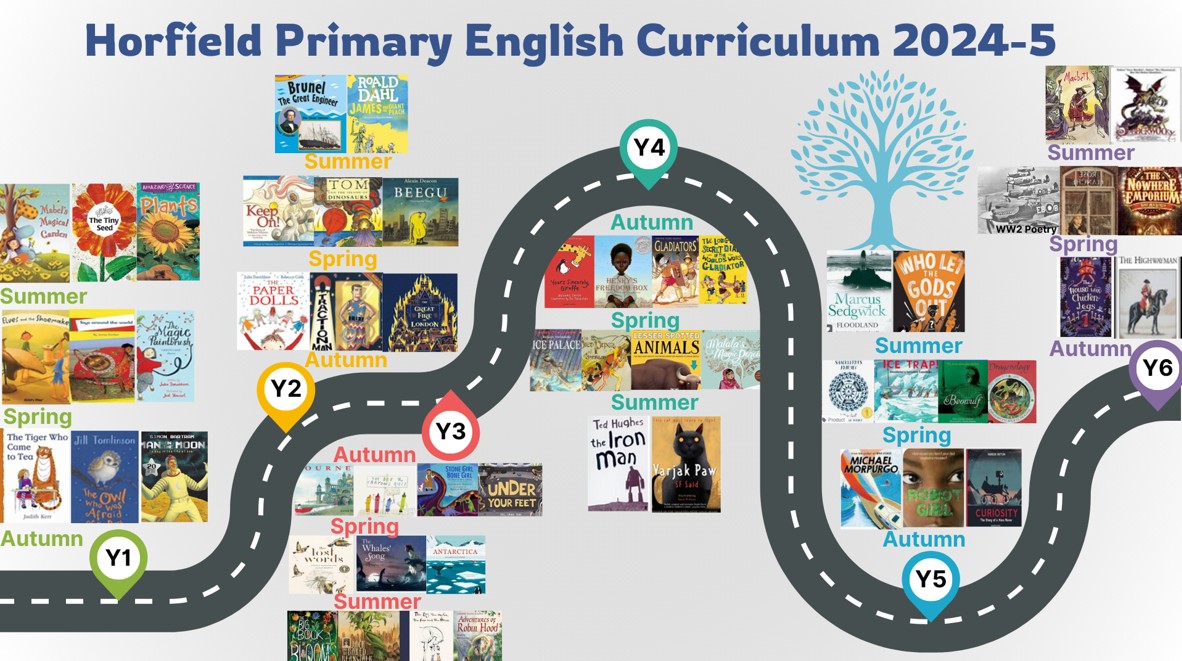
Reading Curriculum by Year Group